

























“Let us stop for a moment; let us behold what we have made. Let it blaze against the yew trees. One life. There. It is over. Gone out” (Woolf 164).
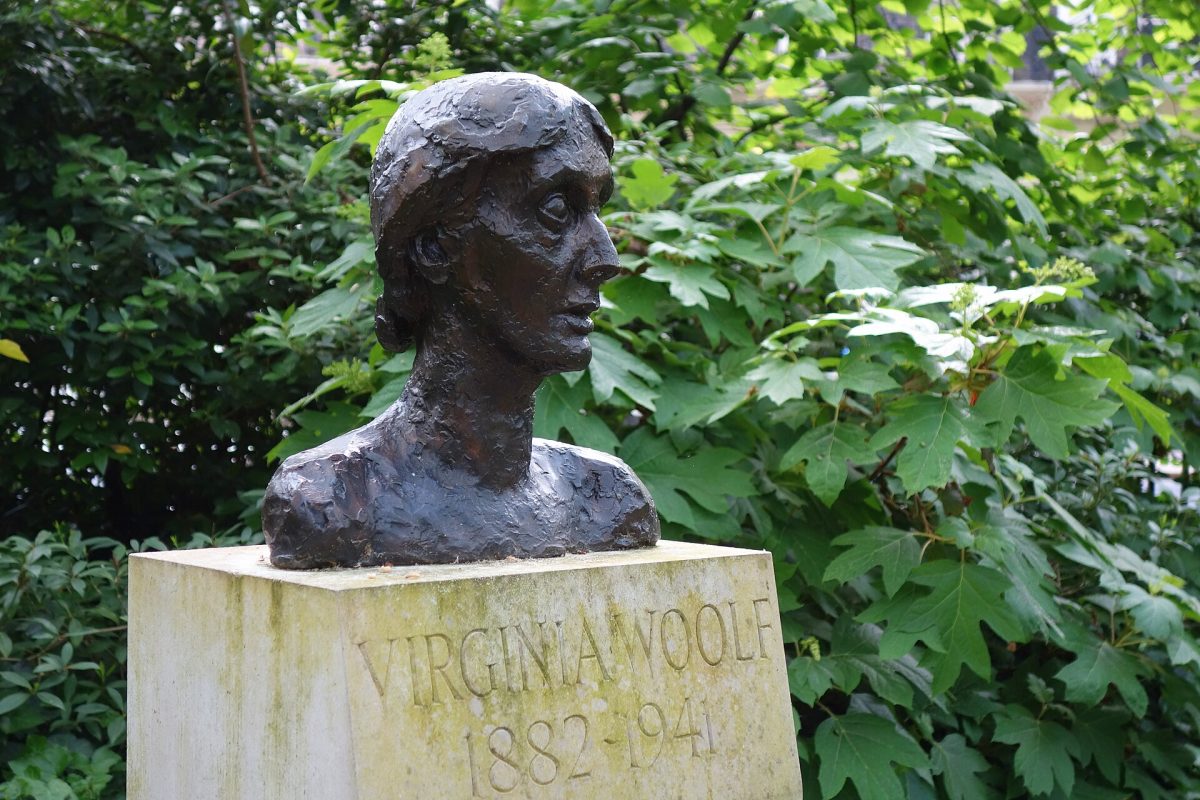
“The Waves” by Virginia Woolf was published in 1931 and is known for its unusual writing style. Virginia Woolf wrote 10 novels in her lifetime, the last being “Between the Acts,” published shortly before she died in 1941.
Written from the perspective of six characters and one occasional omnipresent narrator, “The Waves” follows the lives of a group of friends as they grow up and change. Change was a recurring theme throughout the novel. From dialogues to thoughts to the style of writing, the characters visibly changed in each section of their lives. The book was divided not into chapters, but into paragraphs of description. In between each part, there would be a paragraph describing the ocean. Each section represented a different time of day on the water, starting with sunrise and ending with sunset. The characters grew accordingly with the time of day, their lives peaking midday, with everything lit up by the sun, and ended once again in darkness. It was truly fascinating fitting together the times of a day and a life, while also seeing the similarities highlighted by Woolf.
While “The Waves” was a very slow-paced book, it had many insightful views on different stages of life and the changing of friendships. In the characters’ teen years, I saw myself reflected in their struggles to stay close with diverging paths and deep envy of each other. There was one specific quote about those very struggles with friendship that I loved. “We have tried to accentuate differences. From the desire to be separate, we have laid stress upon our faults, and what is particular to us… ‘It is hate, it is love,’ said Susan” (Woolf 97). “The Waves” also reflects upon the death of a friend and the evolution of grief, using it as a turning point in the text, a departure from innocence.
All in all, while “The Waves” was a slow book and often deeply sad, it was a beautiful representation of life and very relatable. The characters were flawed, just real people, and it almost felt like Woolf was talking to the reader directly. At the end, the book abruptly switches to a second-person narrative, with one of the characters meeting an unknown figure, most likely the reader themself. In that part, it felt extremely personal, but in a somewhat good way. I would recommend that anyone looking for a deeper meaning in life should read this book, but not if you’re easily bored. “The Waves” takes time and effort to read, but if you’re up for that, then make sure you pay attention to the little details in Woolf’s writing. In her books, the little things are always more important than the obvious.