









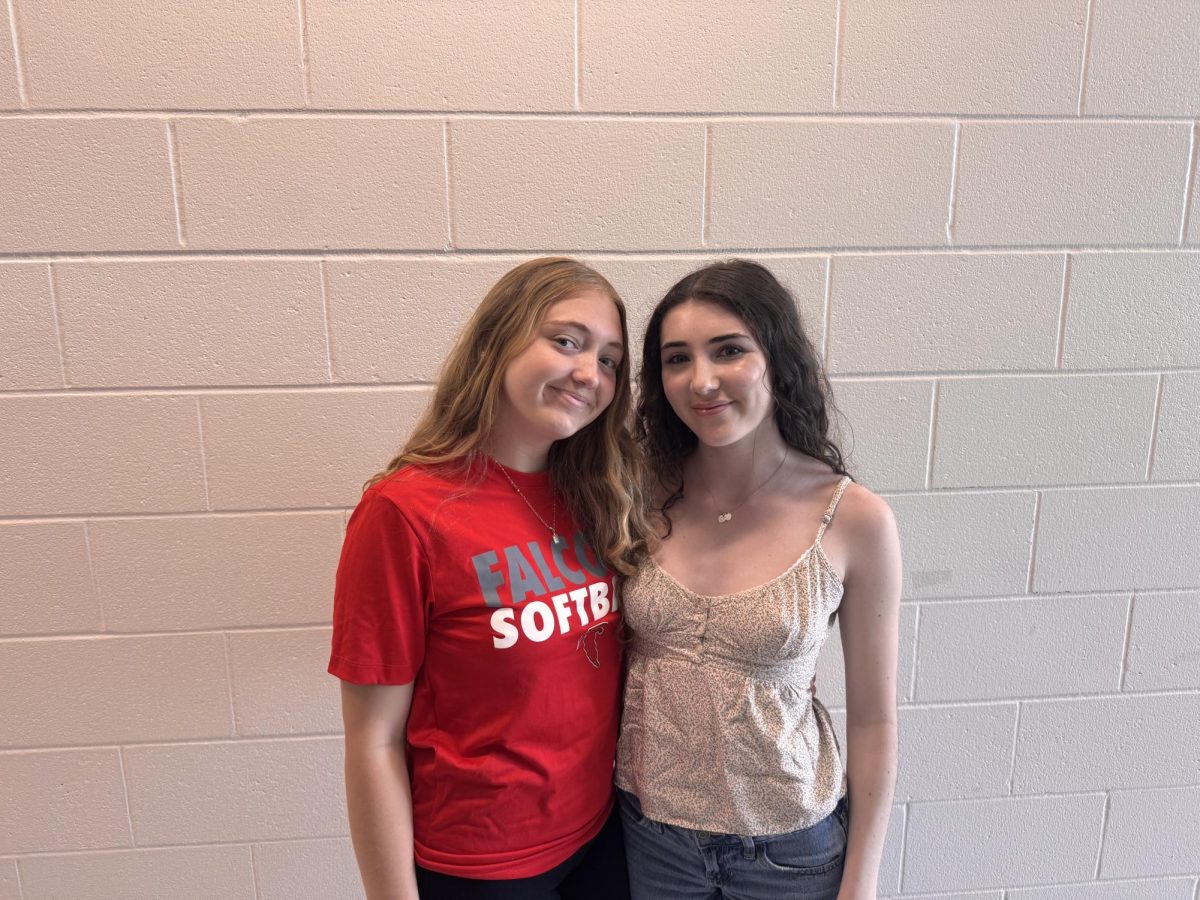








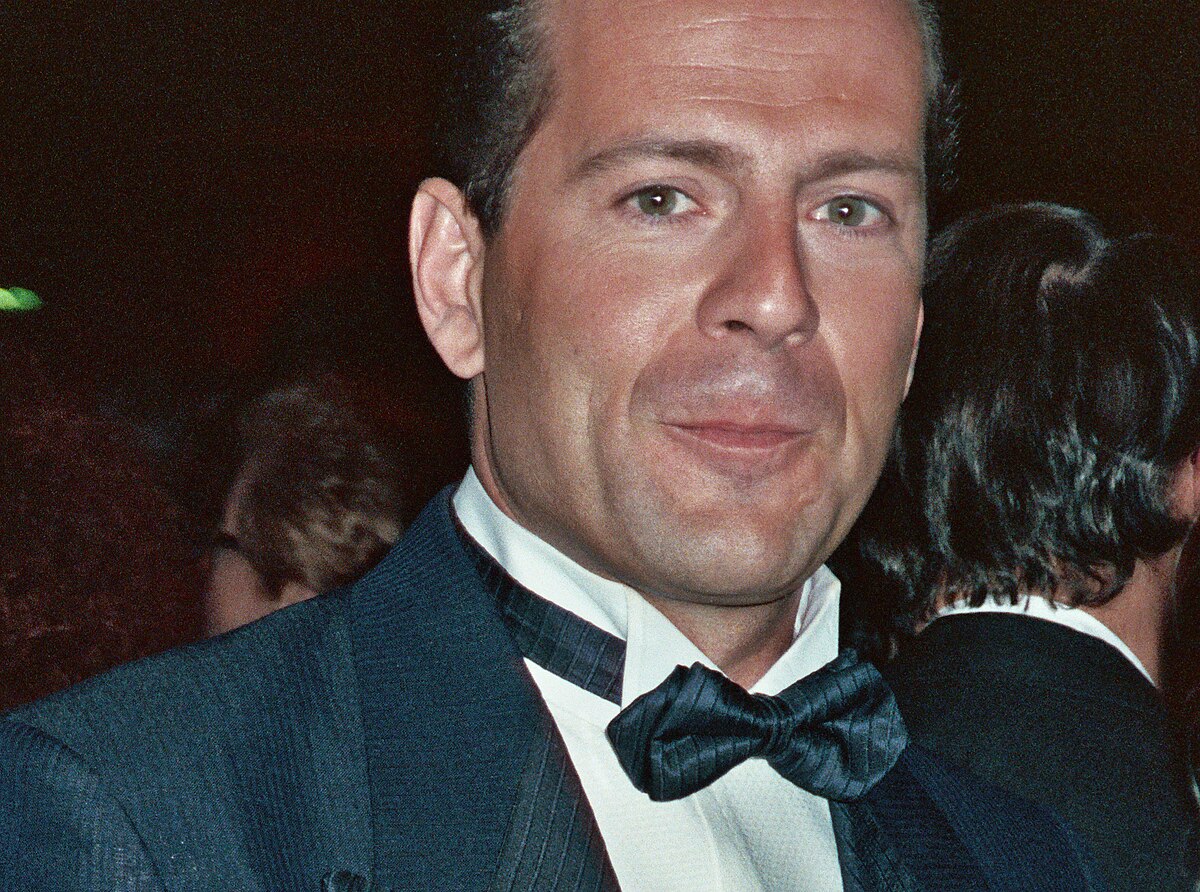












Christine Conley, a Groton resident, is an administrative judge on the Workers’ Compensation Commission for the state of Connecticut, and a former U.S. Representative in the 40th House District. She recently sat down with Helen Miller for an exclusive interview.
HM: You work on the Workers’ Compensation Commission. What does that entail?
CC: That’s if anyone gets injured or passes away from a work injury. We deal with disputes about getting the injured person their medical treatment and weekly checks or getting the family the benefits they’re owed. So employers are required to have insurance to cover those things. And if they don’t, then the state steps in, and the judges are here to help with the paperwork or any disputes.
HM: What has been your perspective on the younger generation of voters? Are they apathetic? Are they participating?
C: I would say, I think some folks are just not interested yet in [politics]. And I think that’s happened with kind of every generation I’ve worked with, because as you know, I used to do a lot of work with campaigns, that you have a certain section of young people that are super engaged and excited to vote and in the process. And then you have another section of people that are just doing their own thing, worried about school life, whatever, not voting or world events or local events. And I see the same thing in this generation as I did in the one before you guys. And I did in mine. There’s a section of very involved people and there’s a section of people that are just involved in other things.
HM: Because you work in the state federal government, how have you seen politicians pander or appeal to younger voters?
CC: Yeah. I think sometimes it, I’ve seen some politicians do it really well and sometimes they stumble, and I’ve probably had moments when I was an elected official where I did it really well and stumbled as well. I think one of the harder things with the younger voters is when the younger voter has an issue, that is their main issue. And sometimes the timing of the younger voters’ issue and maybe the state system, as the younger voter or the new voter is learning the process. Sometimes the voter, that young person might have moved on to a different topic that’s equally important or a different life situation or graduating, got into college and got out of state. So I think that’s kind of the harder part with younger voters is the timing.
HM: So if voters have an issue they really care about, there’s a limit for how much time is available for it to be addressed, right?
C: Yes. So our legislative system is, I call it, a spring semester system. So this year, what will be 2026 starts in February, ends in May, which is only a few months. And 2025 started in January, ended in June. So you have times where you can put the bills into the system. There are certain weeks where public hearings occur. There are certain weeks where committees vote, and there are certain weeks where bills get signed into law. And sometimes that doesn’t line up. So if someone really focused on something in the fall, you can’t make a law in the fall. And so student younger voters move on before you can get there.
HM: So keeping that motivation is important. If you want something to happen, you have to keep advocating.
CC: Yeah, and sometimes it takes two or three years to get between the deadlines and make things through where you need to, you know, keep advocating through two or three years, even when you have the timing absolutely lined up.
HM: How do you propose that they take action and advocate for themselves with their local or state regions, etc.?
CC: Yeah. So you can see your state reps and your state senators at the grocery store anywhere that you happen to be to say, “I’m interested in this.” You can email them, you can call them. I know younger people don’t like to use the phone as we used to, but you can, you can email, they do town halls, like there are places where they’re at. All their contact information is online for email or phone calls to their offices.
08:03
And say, like, I’m interested in this. What can you do? What’s the law? Like, what’s going on? And sometimes it’s easier when younger people have a group, like a small group, because it’s less stressful.
HM: Do you think the current political divide, the polarization, will continue to affect young voters, or will some become disinterested?
C: I think some will become disinterested. I’ve seen it when my generation was young and the one after me, and I’ve seen it in yours as well. Some folks will just say, wow, this is a lot, and it’s not for me. Some folks get themselves really focused, kind of in an unhealthy way. Right. Pro or con on different topics. It doesn’t matter what party, like some people just get hyper-focused, and it is not good for them. You can get yourself too involved in thinking the world is either amazing or the world is horrible. I would say in Connecticut, I hope more people watch what happens in Connecticut because it is very bipartisan. Approximately 96% to 98% of the bills in Connecticut are voted on in a bipartisan manner. So Democrats and Republicans are working together. You know, as a judge, we’re all nominated by governors, but we’re not. You know, I was nominated by a Democratic governor, and so-and-so was nominated by a Republican governor. You’re just doing your job. You’re trying to do the best. You’re all just judges in the end. You’re all just judges. Like all the representatives are just representatives. There are a few things that Democrats and Republicans tend to disagree on. Most of the good representatives and senators just move on to the next topic, whether you’re on the winning or the losing side. And that’s just how it works. But I think sometimes we see the chaos in D.C. and folks think that’s normal, and it’s not normal.
HM: But, yeah. Do you think that younger people would lose interest if they saw this side of government, or do you think they’d have more hope?
CC: I do think people would have to get over the boring factor because it is boring. But I think if people didn’t see just the public, a lot of times you’ll see the public hearings or the public comment where someone’s passionate on issue A, one side, and someone’s passionate on issue B. I think if those were published, I think it would give people hope and it would give understanding as to the process. That it’s important to be passionate, but it’s also important to find the common ground. Because it’s for the greater good of everyone.