






































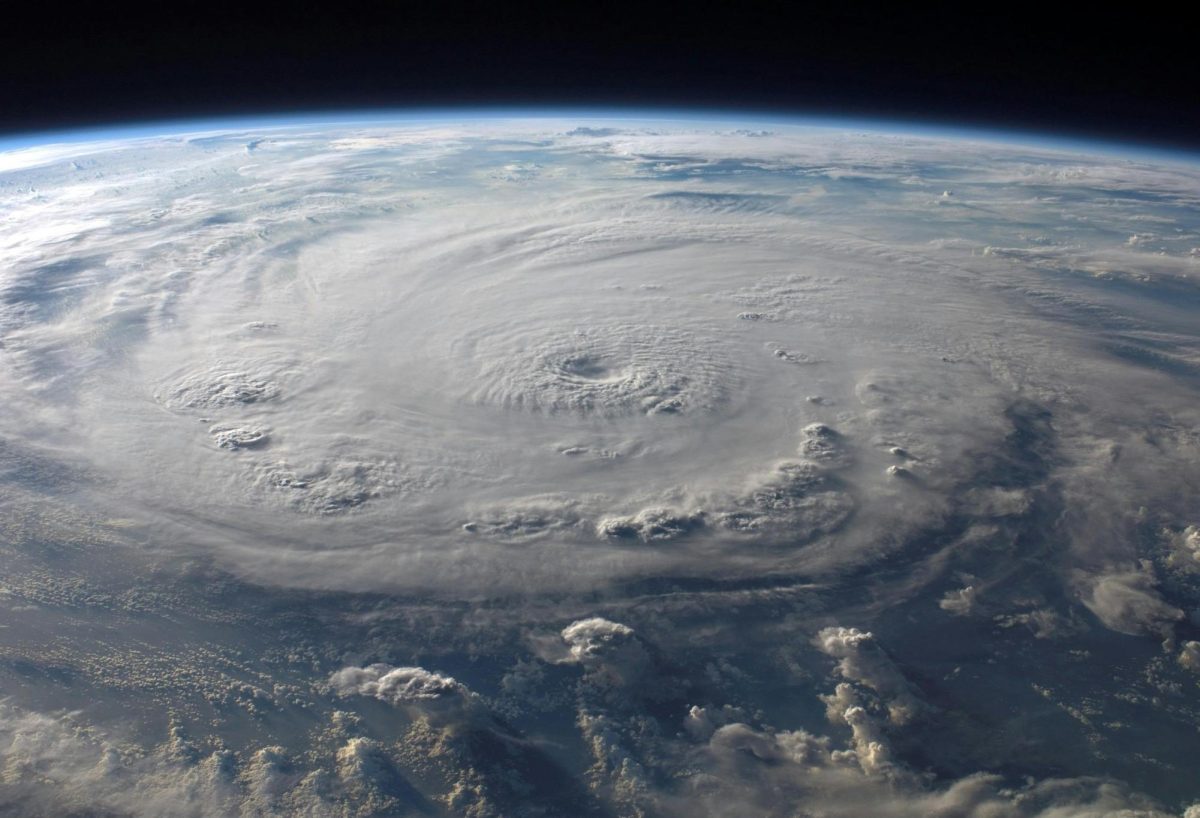
On Oct. 28 at approximately 1:00 p.m. EDT, Hurricane Melissa, a catastrophic category 5 storm, made landfall in Jamaica, resulting in 45 confirmed fatalities and impacting 1.6 million people.
The first contact occurred in the town of New Hope, St. Ann Parish, a town on the western side of Jamaica. Melissa, recognized as one of the strongest hurricanes on record, exhibited sustained winds of up to 185 miles per hour accompanied by precipitation rates reaching 40 inches in several areas.
Melissa was powered by the exceptionally warm ocean temperatures in the Caribbean. Researchers believe that these conditions were 500 to 700 times more likely because of human-caused climate change, providing the energy for the storm to intensify so much.
The UNDP estimates that in total, all debris registered so far would fill around 480,000 standard truckloads. These truckloads would be holding 2.1 million tons of building debris, 1.3 million tons of vegetation (trees, rock, leaves etc), and 1.4 million tons of personal property.
Officials in Jamaica say that approximately 77% of Jamaica was left without electricity after the storm, resulting in a cascading infrastructure failure. Cellular towers were downed, and backup generators were drained almost immediately after power went out. This deadly combo resulted in severe disruptions of communication to all, and for many, completely halted the ability to contact others in some areas.
As far as relief and reconstruction go, the Government of Jamaica, the Caribbean Disaster Emergency Management Agency (CDEMA), UN agencies, and many other partners are leading the charge in national coordination to restore critical services like healthcare, food, water, shelter, and communication services to all areas affected.