







































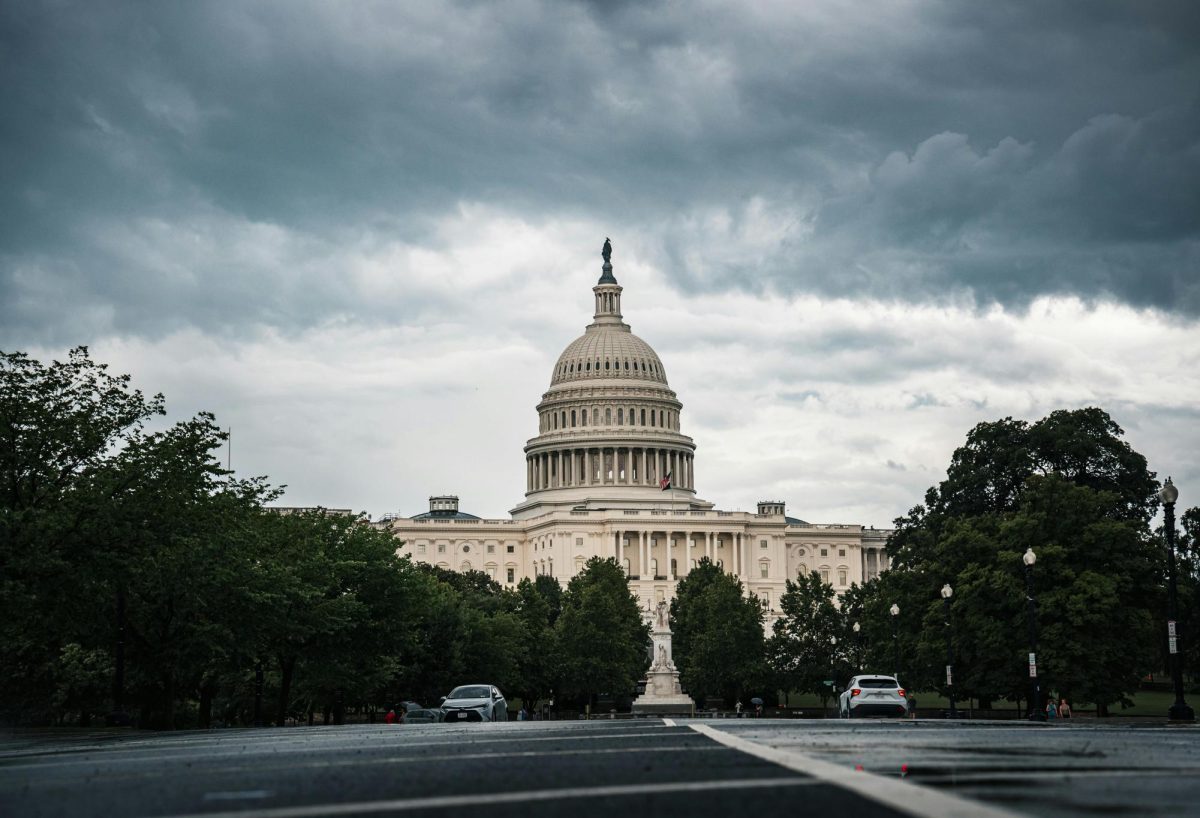
The United States government shut down on Oct. 1, and despite the impact on nearly a million government employees, many might still be unsure how this happened for what it means.
As it ended recently, there might be confusion about what it meant, or to clarify what actually happened, and how to digest this information.
What is a Government Shutdown?
Officially, a government shutdown is when all non-essential functions of the government pause as Congress is in a political gridlock. (Neither of them votes officially to budge, or they vote to stay) Many non-essential federal employees and civil servants are sent home on furlough, where they are temporarily laid off while the government addresses economic crises or other situations. Agencies such as the National Institutes of Health, the CDC, and the WIC program have had at least half of their funding suspended. The other essential workers are kept until the duration is over, and are unpaid until the issue is solved. Although the workers are currently unpaid, they will receive back wages when the shutdown comes to an end. According to the National Conference of State Legislatures, “Under the Government Employee Fair Treatment Act of 2019 (P.L. 116-1), furloughed employees are required to receive retroactive pay once the government reopens.” In this context, furloughed is used to refer to those who are continuing to work, not those who have been suspended due to being non-essential. Employees in services such as the military, law enforcement (including police and state troopers), and air traffic controllers are kept working without pay. Unfortunately, the IRS is also kept working.
Why Does it Happen?
A shutdown occurs when the President doesn’t sign a spending bill for government services or when Congress isn’t able to come to an agreement before the set deadline. Usually, during the longer-term process of the shutdown, smaller bills are sent through, though, for small financial bumps during the shutdown to make sure everything doesn’t crash in on itself. The last government shutdown was between December and January of 2018-2019, and lasted for 35 days. This current one that has just ended lasted 43 days, being the longest government shutdown in history. Both of the longest and second-longest shutdowns have been under one of the current president’s terms. It was caused by a spending bill released without insurance subsidies (done to help lower tax brackets shave off medical costs) after expecting a bill to continue the status quo to increase health insurance premiums, or a shutdown. This was opposed by the fiscal (money-conscious) conservatives of Congress and lost. The counteroffer didn’t pass either. Now, without any other option to turn to, on Oct. 1 at 12:01 a.m., the 2025 government shutdown started. Of the 11 historical shutdowns to date, this is the third one to happen under Donald Trump’s presidency (including his first term), and the longest in U.S. history.
Speculation and Anticipation
With no easy way of telling how long the stand-off was expected, predictions for an end were loose at best. NPR stated that Congress “appear[s] no closer to an agreement to end it.” on October 23rd, in an article titled The federal government is still shut down. Here’s what that means in your community. Even now, as the bill makes its way to the President for a signature, people still aren’t happy with the lack of change or the speed at which this took place. While workers should receive back pay once the shutdown is over, the fact remains that many families haven’t had a steady income for over a month. There’s also been a presidential report on this, stating that some workers might not even receive back pay. SNAP benefits also harmed several lower-income families, losing food funding and necessary government payments needed for them. If a student is a member of a military family or has people in their life who are civil servants, it can be challenging, and students should consider working with guidance should they need support.
How Those Affected Deal With The Shutdown
Everything might seem like it’s gone down the drain. But actually, shutdowns aren’t as uncommon a threat to Congress as one might think. While they might not go into full lockdown, often the legislative branch is stuck in political gridlock until one side bends or offers another boon to get the other side to. It’s a game of balancing the scales of political interests. Now, it’s official that the government is not able to perform normally until the bill is agreed upon.
While the shutdown will eventually end, it hinges on one side being willing to concede. As various news sources provide inconsistent narratives on which party is to blame, many Americans continue to wait for relief in the form of a solution that continues to be prolonged.
An End In Sight
On Nov. 11, CBS reported that a bill had passed in the Senate to end the government shutdown. While this has been a compromise on both sides, the issue has been pushed to mid-December. It guaranteed SNAP benefits, backpay for all civil servants who worked, and takes away the layoffs done by the shutdown until next year. (It also takes away the legalization of hemp — THC. Marijuana without the component that creates the high sensation. It’s used for industrial and commercial use like pain cream, yarn, lotion, and many other products. But all the demands set by the Senate Democrats have been dropped, and Healthcare costs are predicted to rise exponentially. As of now, all people can do is keep being active politically when they can and elect senators and representatives to represent their interests. Even local elections aid in the citizens’ benefit. For now, the shutdown may be on the cusp of ending, but many will likely still be dealing with the ramifications for some time.